What Is Clean Code?
June 8, 2025
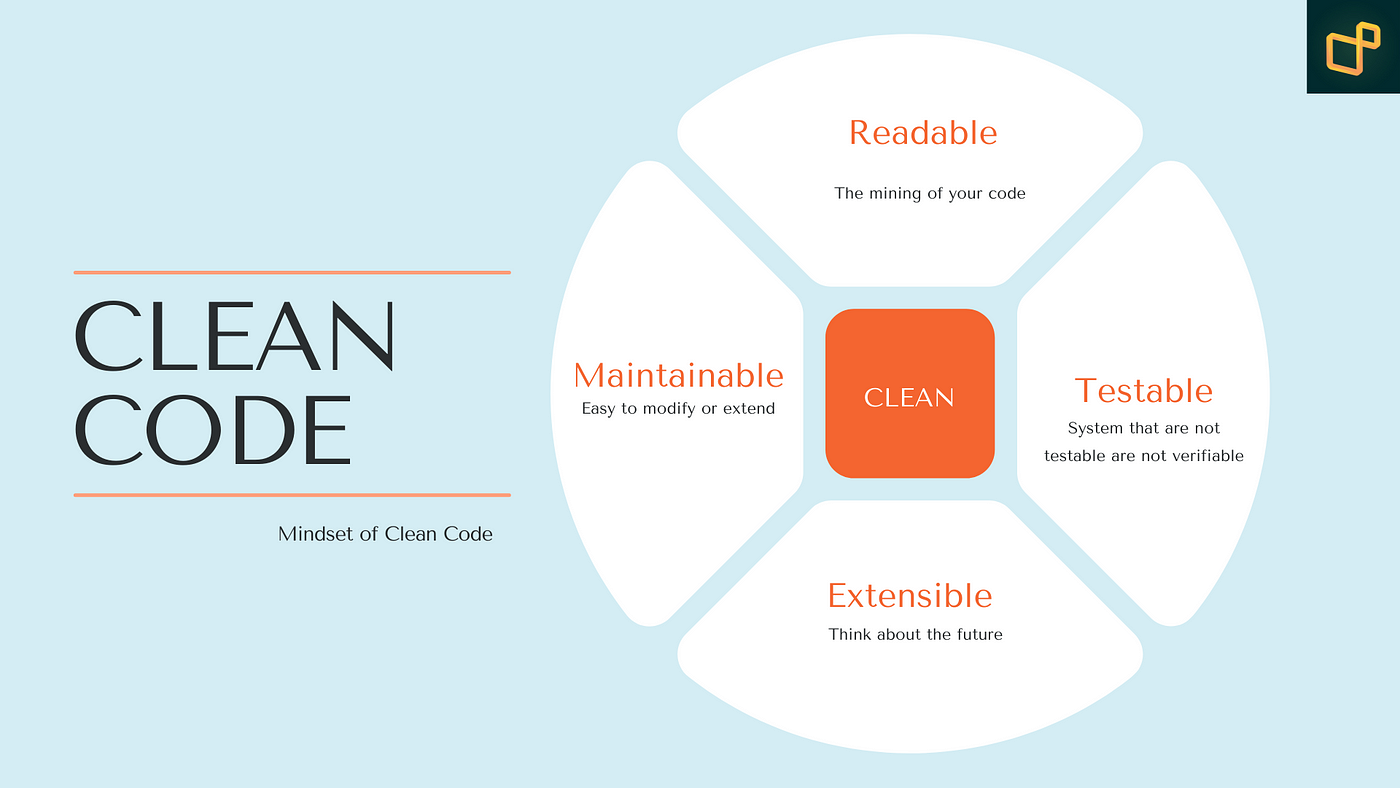
Clean Code refers to a set of principles and practices in software engineering aimed at writing code that is easy to read, understand, and maintain. The term was popularized by Robert C. Martin (Uncle Bob) in his book of the same name, and remains a core concept in professional software development.
Clean code is not just about making a program run correctly, but also about how the code communicates its intent to other developers (or your future self). This includes meaningful naming conventions, small and focused functions, minimal code duplication, and clear structure.
Some key principles of clean code include the Single Responsibility Principle (each function/class should do one thing), avoiding deep nesting, writing self-explanatory code instead of relying heavily on comments, and consistent formatting throughout the codebase.
Writing clean code becomes increasingly important as projects scale and involve multiple contributors. Messy, unstructured code leads to higher maintenance costs, more bugs, and difficulty onboarding new developers into a project.
As a software engineering student, practicing clean code early on—whether in academic projects or personal projects—builds a strong foundation for writing production-ready, professional-grade software in the future.